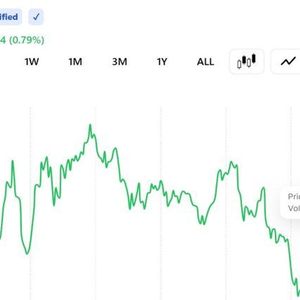
Asian equity markets clawed back some ground on June 9 (Tuesday) after yesterday’s punishing losses, but the recovery remained fragile as rising bond yields and growing expectations of central bank rate hikes kept investors cautious across the region. South Korea’s KOSPI led the rebound with a 3% gain after plunging more than 8% in the previous session. Japan’s Nikkei 225 rose about 0.5% on Tuesday, snapping a three-day losing streak after Monday’s sharp selloff, while the broader Topix gained roughly 0.9%, according to Trading Economics. MSCI’s broadest index of Asia-Pacific shares outside Japan added 0.9%. Asian markets hit hard in global tech selloff led by semiconductors The region’s Tuesday bounce followed a brutal Monday that hit Asian markets harder than their Western counterparts. South Korea’s KOSPI, the world’s best-performing stock market in 2026, suffered its steepest single-day drop in recent memory, falling 8.3%. Japan’s Nikkei shed 4.69%, or 3,123 points, to close at 63,465. Taiwan’s benchmark index fell 3.5%. The damage in Asia was disproportionate. While the S&P 500 managed to close 0.3% higher on Monday and the Nasdaq gained 0.86%, Asian markets with heavy exposure to semiconductor and AI supply chains absorbed the worst of the correction. Chipmakers across the region fell furthest after underwhelming results from Broadcom raised doubts about the pace of chip-sector growth. Why Asian markets fell more than U.S. markets in the latest tech correction Comparing previous KOSPI corrections shows that the current correction follows a common trend. South Korean stock market indices respond to global technology selloffs due to its semiconductor-related and export-driven constituents. As part of the tightening cycle experienced in the 2022 global economy, the KOSPI underperformed both the S&P 500 and Nikkei due to foreign investors reducing their stake in interest-sensitive growth sectors as U.S. Treasury yields surged. Notably, this also applies to the current market downturn where all markets with significant semiconductor-related companies , such as South Korea, Taiwan, and Japan, underperform compared to U.S. benchmarks. This indicates an emerging disparity between U.S.-dominated market indices and the technological production capacity of Asia. The disparity is expected to increase in light of the sustained high-interest rate environment of AI-related stocks. Increasing pressure on Asian equities amid rising US treasury yields Another factor impacting Asian stocks was the rise in Treasury yield. The two-year Treasury yields rose to 4.201%, which marked a record high since early 2025 as the robust payroll data of May had triggered higher bets on tightening measures from the Federal Reserve. According to CME FedWatch, there was a 68% chance that the Fed would hike interest rates at least once before the end of December. The European Central Bank is facing the same pressure. A full hike of 25 basis points to 2.25% is priced when the ECB meets Thursday with interest rates expected to be between 2.5% and 2.75% by year-end. Fragile Middle East ceasefire keeps oil and inflation risks in focus Some positive news emerged in the form of a ceasefire agreement between Iran and Israel. Both nations agreed to end their strikes against each other following a call by U.S. President Donald Trump. The temporary ceasefire enabled Brent crude to trade at around $94-95 per barrel on June 9 after reaching its highest level of $98 the previous day. But it still remained a fragile ceasefire, as shipping activity through the Strait of Hormuz remained heavily disrupted, sustaining concerns about energy-driven inflation for import-dependent Asian economies. Inflation updates, tech earnings to put market sentiment to the test Oracle is scheduled to report earnings on June 10, offering the next test for tech sentiment. U.S. inflation data on that day will help determine whether higher prices for oil have boosted overall inflation levels. An upcoming SpaceX IPO toward the end of this month might offer further risk appetite sentiment tests, but the exact timing has yet to be revealed. Gold fell by 0.2% to approximately $4,320 per ounce on June 9, trading close to its lowest level in two months as rising interest rates dampened gold demand. Meanwhile, the dollar continued to trade above 160 yen, close to levels at which traders expect Japan’s authorities to intervene. The smartest crypto minds already read our newsletter. Want in? Join them .